Can Your Spouse Really Delay Your Divorce?

As a Staten Island divorce attorney will tell you, a spouse can absolutely slow the divorce process down, but they cannot single-handedly prevent it from happening. This is one of the most common concerns people bring up when they first walk into a law office to discuss ending their marriage. The short answer is reassuring: New York allows no-fault divorces based on irretrievable breakdown of the marriage for at least six months, and that ground does not require both parties to agree.
A spouse’s refusal to sign divorce papers cannot prevent the divorce indefinitely. Once the filing spouse properly serves the other party and meets procedural requirements, the court can move forward whether or not the other spouse cooperates. Refusal to cooperate can stall things, yes, but New York courts have mechanisms to handle uncooperative litigants, including default judgments and sanctions.
Delays usually stem from contested issues, procedural missteps, or deliberate stalling rather than any legal right to block the divorce altogether. The rest of this article covers specific delay tactics you may encounter, realistic timelines for Richmond County cases, and legal strategies to keep your case moving toward resolution.
Key Takeaways
- Yes, a spouse can delay the divorce process in Staten Island, but they cannot block it permanently under New York law.
- Staten Island divorces are either uncontested or contested, and contested issues like child custody, child support, and property division often create genuine delays beyond either party’s control.
- Common delay tactics include avoiding service, submitting incomplete financial disclosures, and filing frivolous motions, but judges in Richmond County Supreme Court have tools to address them.
- Working with a knowledgeable divorce attorney and using court conferences, motions, and firm deadlines can keep a divorce case on track.
How the Divorce Process Works in Staten Island Courts
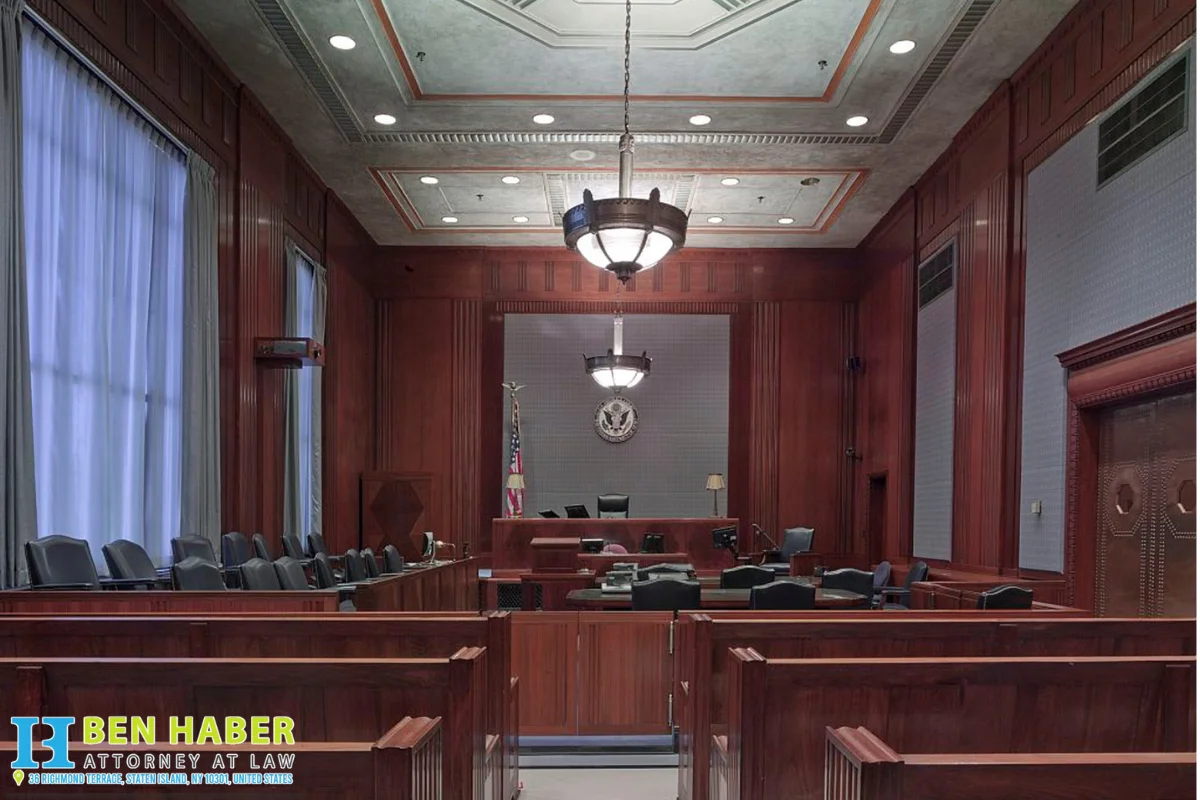
Divorce cases in Staten Island are filed in the Supreme Court of Richmond County. Related family law issues like custody or support may also involve Family Court, either in parallel or after the divorce judgment is entered. Each year, hundreds of contested and uncontested divorces move through the Richmond County court system.
Here is the general sequence of a divorce proceeding:
- The plaintiff files a summons and verified complaint with the County Clerk.
- The other spouse is personally served with the papers. If served within New York, they have 20 days to respond. If outside the state, they have 30 days.
- The defendant either files an answer, making it a contested divorce, or does nothing, which allows the plaintiff to proceed by default as an uncontested divorce.
- A Request for Judicial Intervention is filed to place the case on the court’s active calendar.
- Following the filing of the RJI, the court schedules a Preliminary Conference, typically held within 45 days.
- Both parties must exchange sworn Statements of Net Worth and financial disclosures at least 10 days prior to the conference.
- Discovery proceeds, with a target completion of six months from the preliminary conference.
- The case either settles through negotiation or goes to trial.
Uncontested divorces require both spouses to agree on terms, while contested divorces occur when spouses disagree on issues like custody, support, or how to divide assets. Filing correctly the first time avoids costly delays that can set the entire timeline back. Uncontested divorces typically resolve faster than contested ones, but either way, divorce cases can take months or years to resolve depending on complexity.
Common Delay Tactics Spouses Use in New York Divorce Cases

A spouse can delay a divorce in New York City through a range of tactics, some subtle and some blatant. These are patterns attorneys see regularly, not strategies anyone should imitate.
- Avoiding service of process. Some spouses change addresses, refuse certified mail, or actively dodge process servers. Without a valid Affidavit of Service, the case cannot move forward.
- Financial stalling. Financial disputes are common reasons for prolonged divorce proceedings. One party may drag out production of bank statements, tax returns, or retirement account records. Complex financial disclosures often create delays when documents arrive incomplete or not at all.
- Hiding assets or underreporting income to prevent a fair settlement from being reached.
- Litigation games. Filing unnecessary motions, repeatedly requesting adjournments, or failing to appear at a court date pushes conferences and hearings back weeks or months at a time.
- Emotional resistance can prolong negotiations when one spouse constantly shifts positions on settlement terms, refuses to engage in good faith, or uses the legal process as leverage in a custody dispute.
- Disputes over child custody are frequent delay tactics in divorces. Raising last-minute objections to parenting time arrangements can force additional hearings and evaluations.
Delaying tactics can extend the divorce process significantly, adding months and sometimes more than a year to what could otherwise be a straightforward resolution.
Legitimate Reasons Your Divorce May Be Taking Longer

Not every delay is intentional. Many divorces involve complex issues that genuinely require time and expert involvement.
New York’s equitable distribution law divides marital property fairly, but determining what is fair often requires appraisals, forensic accountants, and detailed analysis. Marital property includes assets acquired during the marriage, such as real estate, business interests, and investment accounts. Pensions earned during marriage are generally considered marital property and may need specialized valuation. Separate property typically remains with the spouse who owns it, but disputes about what qualifies as separate versus marital can be time-consuming.
Child custody evaluations are another source of legitimate delay. Courts may order forensic psychological assessments, home studies, or interviews with the children, all of which serve the goal of reaching the right outcome but cannot be rushed.
Contested spousal maintenance questions sometimes require vocational assessments or detailed income analysis, particularly when one party is self-employed or earns variable income. Court calendars in Richmond County and attorney availability also affect scheduling, even when neither spouse is actively stalling. Many Staten Island divorces involve at least some of these complicating factors.
How Long Can a Spouse Realistically Stall a Divorce in Staten Island?

Timelines vary widely. A straightforward uncontested divorce where both parties agree on everything can sometimes be completed in two to four months once papers are properly filed and served. A moderately contested case with limited disputes over support or marital assets typically takes six to twelve months after the preliminary conference.
Highly contested cases involving business valuations, extensive discovery, or custody battles can stretch past one to two years, especially if one party is actively stalling. Prolonged litigation can lead to increased legal expenses for everyone involved.
However, court deadlines can help manage and mitigate delays in divorce proceedings. Judges in New York can impose sanctions for frivolous delays, including monetary penalties and adverse rulings. Judicial impatience can lead to adverse outcomes for the delaying spouse, such as having issues decided without their input or losing credibility with the court.
If you suspect your case is being unreasonably prolonged, it is worth speaking with an experienced divorce attorney early to evaluate whether the timeline is normal or something more aggressive needs to happen.
Read How Soon Can You Remarry After Divorce? | Staten Island Divorce Attorney
New York Law: Your Spouse Cannot Permanently Block the Divorce

Under Domestic Relations Law Section 170(7), at least one spouse can file for divorce on the ground of irretrievable breakdown lasting six months or more. The other spouse does not need to agree that the marriage is over. Once the filing spouse proves proper grounds, follows court rules, and complies with all orders, the court will eventually issue a divorce judgment regardless of the other party’s objections.
If the defendant ignores the case entirely, the plaintiff can seek a default judgment. The court still reviews fairness on issues like equitable distribution and spousal support, but the divorce itself moves forward. In Richmond County, many divorce matters are ultimately resolved through default or negotiated settlement without the need for a contested trial.
The bottom line: while delay is possible and sometimes significant, permanent obstruction is not. That distinction matters for anyone who feels trapped by a spouse who refuses to engage.
Impact of Delay on Child Custody, Support, and Daily Life

The consequences of a drawn-out divorce extend well beyond the courtroom. Delays can disrupt child custody arrangements and impact emotional well-being for both parents and children. Custody disputes are often emotionally challenging during divorce, and unresolved parenting time schedules create instability in children’s lives.
New York judges decide custody based on the child’s best interests, and custody can be either joint or sole depending on the circumstances. Relocating with a child requires court approval in New York, and custody decisions consider a parent’s relocation impact on children. These determinations take time, but leaving them unresolved for too long is harmful.
Temporary orders may be necessary during prolonged divorce proceedings to stabilize the situation. Courts can issue pendente lite orders covering:
- Child support, calculated using New York’s formula-based approach that considers both parents’ incomes and number of children. Adjustments to child support can be made for childcare costs and other qualifying expenses. Child support enforcement can be pursued through court orders if a parent fails to pay.
- Spousal maintenance, sometimes called alimony, which may be paid while a divorce is pending. New York uses a formula based on spouses’ incomes for maintenance, and the length of marriage affects how long maintenance lasts. Courts can adjust maintenance amounts based on fairness factors, because maintenance is meant to ensure financial fairness post-divorce.
- Parenting time and temporary custody arrangements to keep routines stable for children.
- Occupancy of the marital home and use of marital assets.
Seeking support through temporary orders early in the case can provide structure and financial stability while the divorce moves through the system.
Legal Tools to Counter a Spouse’s Delay Tactics

When the other spouse is dragging things out, there are concrete legal steps available through the court:
- Request a preliminary conference or compliance conference to set a scheduling order with firm deadlines for discovery and motion practice.
- File discovery demands and, if ignored, follow up with motions to compel production of financial disclosures and other documents.
- Ask the court to impose sanctions or shift attorneys’ fees to the party responsible for unnecessary delays.
- Request that the judge deny further adjournments without good cause and set a firm trial date when settlement negotiations have stalled.
- Legal mediation can sometimes assist in resolving conflicts in divorce disputes without the need for a full hearing or trial, narrowing the contested issues and saving time.
Working closely with an experienced divorce attorney who understands Richmond County procedures can help you choose the right level of pressure. The goal is to keep the case moving without escalating conflict in ways that could affect parental rights or the outcome of a custody dispute.
Practical Steps You Can Take to Keep Your Divorce on Track

Beyond what happens in court, there are steps you can take on your own to avoid delays and strengthen your position:
- Stay responsive with your own paperwork. Submit your Statement of Net Worth, tax returns, bank statements, and other records on time so the other party cannot blame you for holdups.
- Maintain organized files of everything relevant to marital property division, parenting issues, and financial obligations. Keep copies of emails, texts, and any correspondence showing the other spouse’s failure to cooperate.
- Consider settlement-focused options like mediation or attorney-led negotiation where it is safe and appropriate. The fewer contested issues, the faster the court can finalize the case. Parties agree on most terms in a surprising number of cases once they sit down with a neutral third party.
- Keep communication with your spouse businesslike and documented. If they frequently cancel meetings or backtrack on agreements, a written record of those patterns can be valuable at a hearing.
- Timely communication with attorneys can expedite divorce proceedings. Update your lawyer promptly on any changes in circumstances or new information.
When to Seek Stronger Court Intervention in a Stalled Divorce

There comes a point where patience turns into a problem. Watch for these warning signs:
- Months pass without meaningful progress despite multiple conferences.
- The other party repeatedly fails to appear at scheduled court dates or compliance conferences.
- Chronic noncompliance with discovery requests, even after court orders.
- Persistent refusal to sign documents that both sides already negotiated and agreed upon.
At this stage, options include asking for sanctions, requesting the court award attorneys’ fees related to the delay, or filing for a firm trial date. In extreme situations, a court may proceed based on the evidence available rather than waiting indefinitely for a non-cooperative spouse to participate.
Strategic legal advice matters here. Taking aggressive steps without a clear plan can create unintended consequences for children or for the financial gain you are seeking in the final judgment.
Planning Your Future While the Divorce Case Moves Forward

Even while litigation drags on, there are ways to start building toward what comes next. Begin thinking about housing, monthly budgeting, and post-divorce parenting schedules. Understanding your financial options early gives you more control over informed decisions about your future.
Speaking with financial professionals about credit, debt management, and long-term security can be valuable during and after the divorce. If you have valuable assets like retirement accounts or real estate, understanding their current status helps you plan for equitable distribution outcomes.
Emotional support matters too. Counselors, support groups, and trusted family members can provide stability when a spouse is using delay as a form of control. Postnuptial agreements, while less common, may also come into play if both parties are open to structuring certain terms outside of litigation.
Taking proactive steps with the help of a capable family law attorney reduces the power of delay tactics and helps you move forward with clarity, regardless of what the other spouse does.
Staten Island Divorce Attorney – Benjamin Haber
We know how frustrating it is when your spouse stalls the divorce process. At the law office of Benjamin Haber, we represent clients across Staten Island who are dealing with exactly that situation. Our firm works to counter delay tactics through court conferences, discovery motions, and strategic negotiation designed to protect your rights and keep your case moving.
With years of experience handling contested and uncontested divorces in Richmond County, we provide clear communication and practical advice tailored to your family, your finances, and your long-term goals. Whether you are facing a custody dispute, marital property division, or complex issues with spousal support, we are ready to help.
Call us at (718) 442-0960 or fill out our contact form to schedule a confidential consultation with an experienced divorce attorney who understands New York family law.
Frequently Asked Questions
Does Moving Out of the Marital Home Make It Easier for My Spouse to Delay the Divorce?
Moving out of the marital home generally does not affect the court’s ability to process your divorce. The legal process depends on proper filing, service, and compliance with court orders, not on who remains in the residence. However, leaving can influence practical matters like temporary parenting time arrangements, access to important documents, and your share of household expenses. Voluntarily moving out does not automatically waive your property rights or custody claims under New York law. Before making that decision, discuss the potential impact on any temporary support order or parenting schedule with a knowledgeable attorney so you can protect your interests from the start.
What If My Spouse Refuses to Sign the Settlement Agreement We Already Negotiated?
If a spouse backs out of a negotiated settlement, the case does not simply end. The unresolved issues, whether they involve marital property division, child support, or spousal maintenance, can be presented to the judge at a hearing or trial. The court will decide those matters based on the evidence each side presents. A signed, properly executed agreement that has been submitted to the court carries far more weight than an informal understanding. If the other party refuses to finalize what was agreed upon, your attorney can document the negotiation history and demonstrate to the court who has been acting reasonably throughout the process.
Can I Get Temporary Child Support or Maintenance While My Spouse Is Stalling?
Yes. New York courts can issue temporary, or pendente lite, orders for child support, custody, parenting time, and spousal maintenance early in the divorce case. These orders are specifically designed to stabilize living arrangements and finances while the divorce proceedings continue, even if the other spouse is causing unnecessary delays. The court reviews income information, the children’s needs, and other relevant factors when setting temporary amounts. To strengthen your request, gather recent pay stubs, tax returns, and basic expense records before filing. These temporary orders remain in effect until a final judgment is issued or the court modifies them based on a substantial change in circumstances.
Will Changing Lawyers Slow Down My Already-Delayed Divorce?
Switching representation does create a short pause. Your new attorney needs time to review the file, and the court must be formally notified of the change. However, in many cases, bringing in counsel who is more proactive about handling stalled cases can actually speed things up. Judges generally allow changes of counsel as long as it does not result in repeated adjournments without good cause. When interviewing potential new attorneys, ask specifically how they would address existing delays and what steps they would take to move the matter forward in Richmond County Supreme Court. A fresh perspective combined with an aggressive calendar approach can make a real difference.
What Should I Bring to a First Meeting About a Divorce That Seems Stuck?
Come prepared with a concrete checklist:
- Any court papers filed so far, including the summons, complaint, and any orders
- Prior settlement drafts or written agreements, even unsigned ones
- Recent tax returns, pay stubs, and bank and retirement statements
- Emails or texts showing the other spouse’s refusal to cooperate or repeated cancellations
- A simple written timeline of the case, including key dates and where things stalled
Having these materials ready during your initial consultation helps an attorney quickly assess whether the delays are normal or tactical. Write down your specific questions and goals, such as desired custody arrangements or financial priorities, so you can make the most of the meeting and walk away with a clear sense of your legal options.
Disclaimer: This article provides general information about Staten Island divorce procedures and delays, not legal advice. Every case is unique. Consult a qualified New York attorney about your specific situation before making any legal decisions.
Read Staten Island Divorce Attorney: Are You Responsible for Spouse Debt?